
QR Menu for Cafes, Bars and Beach Clubs: What Actually Changes
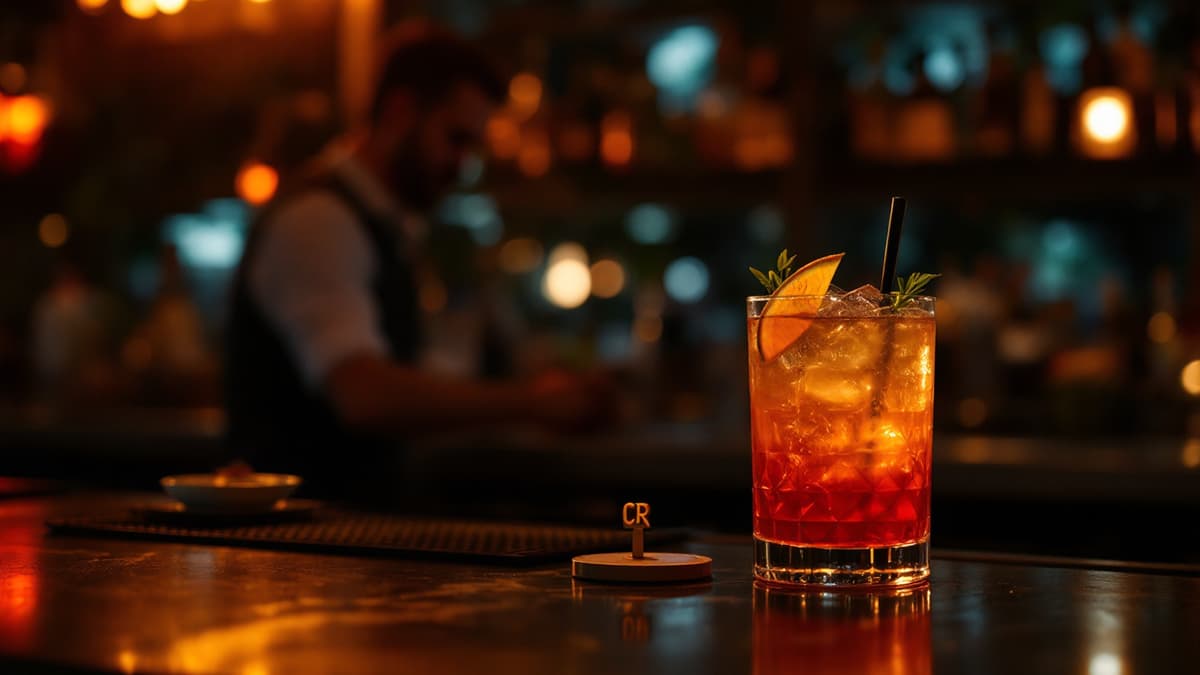
Most QR menu advice is written for full-service restaurants: 60 covers, a kitchen brigade, a sommelier. A QR menu for cafe, bar or beach club service plays by different rules. Menus are smaller, rotation is faster, and drinks do most of the revenue. This guide goes venue type by venue type: what a QR menu genuinely fixes in each, what to set up differently, and where paper honestly still wins.
If you want the fundamentals first (what a QR menu is, per-table codes, ordering flow), start with the cornerstone guide to QR menus for restaurants and come back here for the venue-specific playbook.
Does a small cafe or bar even need a QR menu?
Yes, if guests sit down and staff walk to them. The smaller the team, the more each saved trip matters: a two-person cafe crew loses proportionally more time taking orders than a restaurant with six servers. No, if you're purely counter-service with five items on a wall board. Keep the board.
The honest threshold: count how many times per shift someone asks "what's in this?", "do you have oat milk?", or waves for a second round. If that number is above 20, a QR menu with ordering pays for itself in staff minutes alone. Below that, a laminated card or even a plain QR-PDF is genuinely enough.
How does a QR menu work in a coffee shop?
In a coffee shop, a QR menu earns its keep in three places: seasonal drink launches without reprinting, a pastry case that sells itself on video, and faster peak-hour turnover because regulars order from the table instead of queuing twice. The menu is small, so setup takes an evening, not a week.
Specifics that matter for cafes:
- Seasonal drinks rotate monthly. Pumpkin spice in October, iced everything in June. On paper that's a reprint each time; in the dashboard it's a five-minute edit, live at the top of the feed the same afternoon.
- The pastry case is your highest-margin impulse zone. A 9:16 video of a croissant being pulled apart does what a name on a card never will. Grubhub's research found that menus with photos and complete information receive up to 70% more orders and up to 65% higher sales than text-only listings, and pastries are exactly the add-on category that growth comes from.
- Second rounds without a second queue. A guest working on a laptop orders their refill from the table: no packing up, no losing the seat, no barista interrupted mid-pour.
One caveat: if 80% of your trade is takeaway flat whites at the counter, table QR ordering is solving a problem you don't have. It's the sit-and-stay cafe that benefits.
Why do QR menus work so well in bars and pubs?
Three reasons: cocktail videos sell premium drinks better than any description, phone screens beat paper in a dark room, and guests can order a round without fighting through three rows of people at the bar. All three convert directly into higher drink revenue per seat.
Break it down:
- Cocktail videos are premium-drink salesmen. "Smoked Old Fashioned, €14" is a line of text. A ten-second vertical video of the smoke dome lifting off the glass is a reason to spend €14 instead of ordering a €6 beer. Video menus shift the mix toward signature drinks, which is where bar margin lives.
- Dark rooms kill paper menus. Anyone who has watched guests use their phone flashlight to read a cocktail list already knows the fix. The phone screen is backlit; the problem disappears.
- Ordering without the bar scrum. On a Friday night, the trip to the bar is the bottleneck: guests wait, give up, or order one round instead of three. With QR ordering and pay at the table, the round is ordered from the sofa, arrives tagged with the table number, and gets paid by Apple Pay or Google Pay when the group leaves. More rounds per visit, fewer walkouts on the tab.
For pubs with food, the same feed handles the kitchen: burger video above, order goes to the kitchen screen in real time with a sound alert, statuses move from New to Served without a single printed docket.
What should beach clubs and chiringuitos set up differently?
Beach clubs live with three constraints: guests speak eight languages, the "table" is a sunbed 40 metres from the bar, and high-season staff turnover means nobody knows the menu by heart. A QR menu attacks all three, with multilingual dish pages, a QR on every sunbed, and video that explains the dish so staff don't have to.
- Multilingual by default. Menu content translates into 12 languages (EN, ES, FR, DE, RU, IT, PL and more), so a German family and a French couple on adjacent loungers each read the same paella in their own language. No more "chicken or fish?" pantomime.
- The sunbed is a table. Each sunbed or lounger gets its own code, with per-spot URLs like
/r/your-club/t/34, so an order for two mojitos arrives at the bar already tagged "sunbed 34, second row". Runners stop doing laps to find who ordered what. Map the whole beach once in the visual floor-plan editor; it handles multiple zones (beach, terrace, pool). - Terrace speed in high season. Guests order the moment they decide, not the moment a runner passes. Payment happens on the phone, so nobody waits 20 minutes for a card terminal to make its way across the sand.
We wrote a dedicated case on this exact market (international guests, season peaks, terraces) in the Marbella and Costa del Sol guide. It applies to any resort coastline, not just Spain.
What about food courts and food trucks?
Short answer: QR menus help, but skip the per-table part. A food truck has no tables, so use one general QR on the counter and let guests browse the video menu and order while queuing. Pickup replaces table service; the kitchen screen replaces shouting order numbers.
The video feed matters more here than anywhere: at a food court, ten vendors compete for the same walking guest, and a looping video of birria tacos beats a backlit photo panel. Keep the menu tight, 8-12 items.
How does the setup differ from a full restaurant?
Smaller and faster on every axis: fewer codes to print, a menu you can build in one evening, and analytics you read for drinks mix instead of course structure. A bar with 15 tables is production-ready in a day; a restaurant migration usually takes a week of content work.
Concretely:
- Fewer tables, faster launch. Print all table codes from the dashboard in one click; 15 tables means 15 stickers, done before opening.
- Faster rotation, shorter feed. Cafe and bar guests decide in 60-90 seconds. Cap the feed at 20-30 items and lead with the top sellers; a 90-item scroll kills the format.
- Drinks-heavy analytics. In the dashboard, watch top dishes and revenue by hour. For a bar that means seeing that Aperol Spritz dies after 22:00 while shots spike, and re-ordering the evening feed accordingly. Average ticket per table tells you whether cocktail videos are actually shifting the mix.
- Content on a bar budget. No food photographer needed: AI generation from the dashboard makes a dish photo for about €0.15 and a dish video for about €2.20. A 25-item cocktail list is fully videoed for under €60.
See it as a guest first. The live demo shows the exact feed your customers would scroll.
Frequently asked questions
Is a QR menu overkill for a small cafe with 8 tables? No, small teams gain the most per saved trip. But be honest about your format: if most trade is counter takeaway, a wall board is enough. The QR menu pays off when guests sit, linger and order second rounds.
Do guests really order more drinks from a video menu? Measurably, yes: the Grubhub research found up to 70% more orders for menus with photos, and a Snappr study of delivery apps measured 35%+ more orders from high-quality food photos. In bars the effect concentrates in signature cocktails: video makes the €14 drink look worth €14, which text never manages.
How do QR codes work on sunbeds at a beach club? The same as tables: each sunbed gets a unique code and URL, orders arrive at the bar tagged with the exact spot and zone. Laminated tags or stickers on the lounger frame survive sun and sand; reprint any code from the dashboard in seconds.
What does it cost for a bar? Disho is free during beta with no limits on tables, dishes or orders; after beta it's Pro at €40/month with a 3-month trial. If you enable pay-at-table, the platform fee is 1.5% + €0.10 per transaction on top of Stripe's own fee, paid into your own Stripe account.
Can guests without good English use it? Yes. Menu content translates into 12 languages and guests pick theirs on the first screen. It works in the phone browser with no app to install, which matters for tourists on roaming data.
Build your QR video menu in minutes
Try Disho free during the beta, no card required.
Get started freeRelated articles
Benefits (and Drawbacks) of QR Menus for Restaurants
The real benefits of QR menus — print savings, up to 70% more orders (Grubhub), faster tables — and the honest drawbacks, with fixes. QR menu pros and cons.
QR Menu for Hotels: Room Service, Breakfast and the Pool Bar Without the Phone Call
How a QR menu for hotels fixes room service ordering, feeds multilingual guests, splits breakfast, pool and in-room menus, and upsells with dish video.
QR Menu for Restaurants: How It Works and Why Use One
What is a QR menu and how does a qr code menu work? Setup steps, real costs, honest pros and cons, and when paper is still enough.