
QR Menu for Restaurants in Fuengirola: Serving Residents, Not Just Tourists
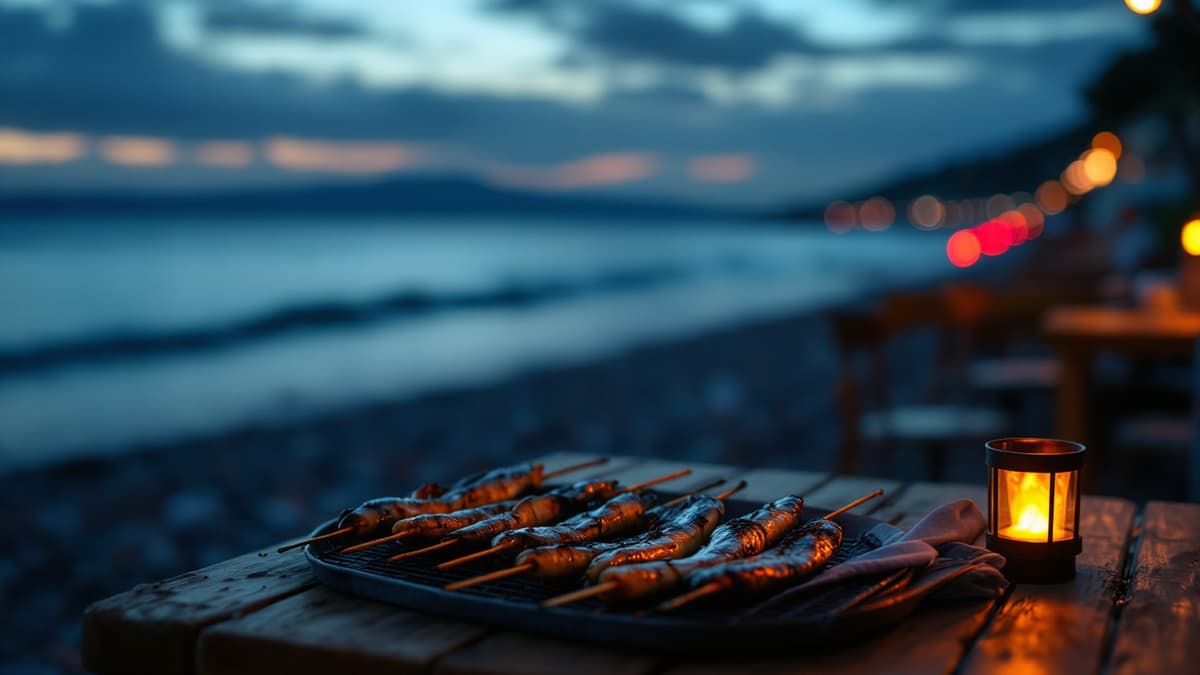
A QR menu in Fuengirola serves a town whose "foreign guests" mostly aren't guests at all. Fuengirola is home to a large, settled British community, one of southern Europe's biggest Scandinavian and Finnish colonies, and one of the largest Russian-speaking communities on the Costa del Sol. These are people who shop at the same supermarkets you do and eat at your restaurant on an ordinary Tuesday in November. Add the multi-generational holiday trade along the Paseo Marítimo and you get a dining room where the language mix is permanent, not seasonal. And it's measured: in our own beta restaurants on the Costa del Sol (30-day window), guests' device languages span 30+ locales, from 25+ countries in a single month. Here's how a digital menu in Fuengirola with per-dish video is built for exactly that room.
Fuengirola's foreign guests aren't passing through. They live here
That single fact changes the whole business case. A tourist reads your menu once; a resident reads it every other week for years. In most of the Costa del Sol playbook, the multilingual menu is about surviving the summer flood of one-time visitors. In Fuengirola it's about something more valuable: winning a household. The Finnish couple who found your terrace in February, the British family that does Sunday lunch, the Russian-speaking regulars who bring every visiting relative. These guests choose a "their place" and stay loyal to it for a decade. A menu that speaks their language, literally, is one of the cheapest loyalty programmes a restaurant can run: it tells a resident this room considered them, not just the summer crowd passing through it.
Which languages does a Fuengirola carta actually need?
Spanish and English are the floor, but in Fuengirola the interesting decisions start after them. Disho auto-translates your menu (names, descriptions, allergens) into 12 languages: English, Spanish, French, German, Italian, Polish, Czech, Slovak, Lithuanian, Russian, Belarusian and Ukrainian. For this town, the Russian, Belarusian and Ukrainian coverage matters more than almost anywhere on the coast: the Russian-speaking community here is large, settled and underserved by two-language laminates. The honest gap is Nordic: Finnish and Swedish aren't among the twelve. In practice the Scandinavian community reads English comfortably, and the per-dish video carries the rest, because a vertical 9:16 clip of a sizzling espeto was never in any language to begin with. How the translations are generated and quality-checked (the AI writes from your input and doesn't invent ingredients) is covered in how restaurant menu translation works.
Three generations at one table on the Paseo Marítimo
Fuengirola's holiday trade is famously multi-generational: grandparents who winter here, parents on their summer visit, kids who only care about what the food looks like. Along the Paseo Marítimo, one of the longest seafront promenades on the coast, a chiringuito table routinely seats all three at once, and they order in three different ways. The video menu is the first format all of them share: the grandchild points at the moving plate, the parent checks the allergens on the dish page, the grandmother asks the server as she always has. And the server, freed from reciting the menu, has time to answer. Each table (or sunbed) gets its own QR code, so the order reaches the kitchen in real time tagged with the exact spot, and the bill gets settled at the table with Apple Pay or Google Pay while the kids are still finishing dessert.
Do photos and video really move orders?
The measured evidence says yes. Grubhub's research found menus with photos and complete information receive up to 70% more orders and up to 65% higher sales than text-only listings, and a Snappr study of delivery apps measured 35%+ more orders for dishes with high-quality photos. In a Fuengirola room the effect shows up in two places: the visitor who finally orders the fried boquerones they couldn't picture, and the regular who spots this week's special on video before the server reaches the table. Disho plays each dish as a vertical autoplay video with a Ken Burns photo fallback, the same feed you can scroll right now in the live demo.
Regulars change the maths
For a tourist you optimise the first visit; for a regular, the hundredth. That tilts which QR menu features matter. Instant menu edits reach the same people week after week: a new special goes live on every table's code the moment you save it, no reprint, no sticker. The analytics start compounding: top dishes, revenue by hour and average ticket stop being curiosities and become a picture of what your actual regulars reorder, which is the groundwork for raising the average ticket without raising prices. And second rounds, the quiet engine of a long Fuengirola lunch, get ordered from the table the moment the glasses empty, instead of when someone finally catches a server's eye.
From Los Boliches to the port: different rooms, one system
Fuengirola's dining map is a chain of distinct rooms. Los Boliches is the Nordic heartland, with cafés and kitchens where Finnish and Swedish are ambient noise; the centre mixes Spanish bars with British full-breakfast institutions; toward the castle end and the port, seafood rooms fill with Spanish weekend trade. Many of these venues are themselves expat-run, serving a clientele even more mixed than they are. The point of a QR menu here isn't to flatten those identities. It's that one system flexes across all of them. A Finnish-run café keeps its short carta and lets the videos do the talking; a British bar adds Spanish for local guests rather than the other way round; a seafood restaurant switches on the full 12 languages for summer and lets the Spanish carta lead in winter. Underneath it's the same dashboard, per-table codes and real-time orders, while each room decides for itself what its own guests should see first.
Winter is real trade in Fuengirola, so the menu should work all year
Unlike the pure resort towns, Fuengirola doesn't board up in November. The resident communities keep their habits, the winter-sun long-stayers arrive for months at a time, and weekend malagueños fill the promenade on sunny Sundays. Most rooms still run two cartas a year: a heartier winter one at local prices, a longer summer one for the holiday trade. On a digital menu that swap is an afternoon in the dashboard rather than a print cycle in five languages. The printed QR codes never change; they point to the menu's address, which always shows the current carta. If your winter room is genuinely 95% Spanish locals, the honest advice is the same as everywhere: paper still works. The QR menu earns its keep in Fuengirola precisely because, for most rooms here, the languages never go home.
Getting started between lunch and dinner
Setup is about five minutes of dashboard work:
- Create your restaurant and load the carta, with your own photos and videos or AI-generated ones from the dashboard.
- Turn on the languages your room actually hears: for Fuengirola, typically English, Russian and German on top of Spanish, up to all 12.
- Print the per-table QR codes in one click.
- Take real-time orders and table payments from the next service.
Disho is free during the open beta, with no limits on tables, dishes or orders. Chiringuitos and beach bars along the Paseo run the same system with shorter menus; see the cafés and bars guide for that setup.
Frequently asked questions
Does the menu translate into Finnish or Swedish? Not yet. The 12 languages are EN, ES, FR, DE, IT, PL, CS, SK, LT, RU, BE and UK. In practice Fuengirola's Nordic residents read English comfortably, and the dish videos do the heavy lifting: they communicate the plate without any language at all.
Is there real demand for a Russian-language menu in Fuengirola? Yes. The town hosts one of the largest Russian-speaking communities on the coast, and they're residents, not passing tourists. Disho covers Russian, Belarusian and Ukrainian out of the box, so those guests read your carta in their own words on their own phone.
Do we need new QR codes when the winter carta starts? No. The printed code points to your menu's address, which always shows the current version. Swap dishes and prices in the dashboard and every table updates instantly, translations included.
What does it cost for a Fuengirola restaurant? Nothing during the open beta: unlimited tables, dishes and orders. Setup takes about five minutes, and the live demo shows the guest side before you commit to anything.
Build your QR video menu in minutes
Try Disho free during the beta, no card required.
Get started freeRelated articles
QR Menu for Restaurants in Estepona: Small Teams, International Evenings
A QR menu for Estepona restaurants: video menus in 12 languages for old-town family kitchens, seasonal terraces and resort-family dinners.
QR Menu for Restaurants in Málaga: Built for a City, Not a Resort
How a QR video menu fits Málaga's urban dining scene: city-break guests, the historic centre, Soho and El Palo chiringuitos — served in 12 languages.
QR Menu for Restaurants in Marbella and the Costa del Sol
A 12-language QR menu for Marbella restaurants: digital menu with video, order and pay at the table. Built for the Costa del Sol's international guests.